Design System: Figma to Production Code
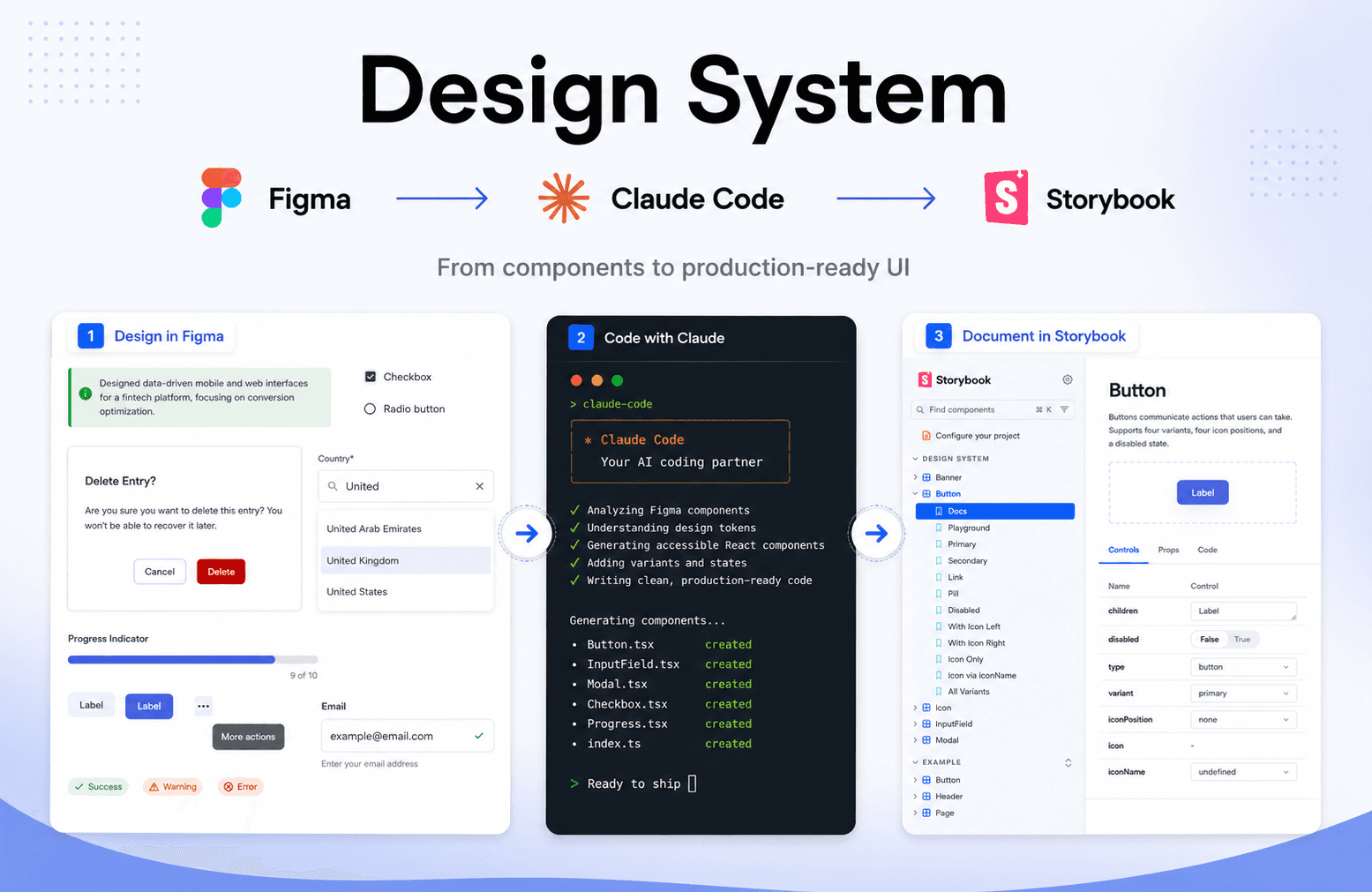
Automating design-to-dev handoff with MCP and Claude Code
TOOLS:
Figma, Claude code, Storybook
TIMELINE:
2 days
Why I created the design system
Traditional design handoff creates a 2-week lag between mockups and working code. Developers rebuild components from scratch, introducing inconsistencies and accessibility gaps. With AI tools like MCP and Claude Code, designers can now generate production-ready code that developers can actually use.
I built this to show what's possible when design systems don't stop at Figma. Instead of handing off static components, I'm shipping live, documented components that the whole team can test and iterate on together.
What I Built
5 Production-Ready Components
Button, Input field, Modal, Banners with full variant coverage, accessibility baked in, and interactive documentation.
How I Built It
Phase 1: Figma Design System Foundation
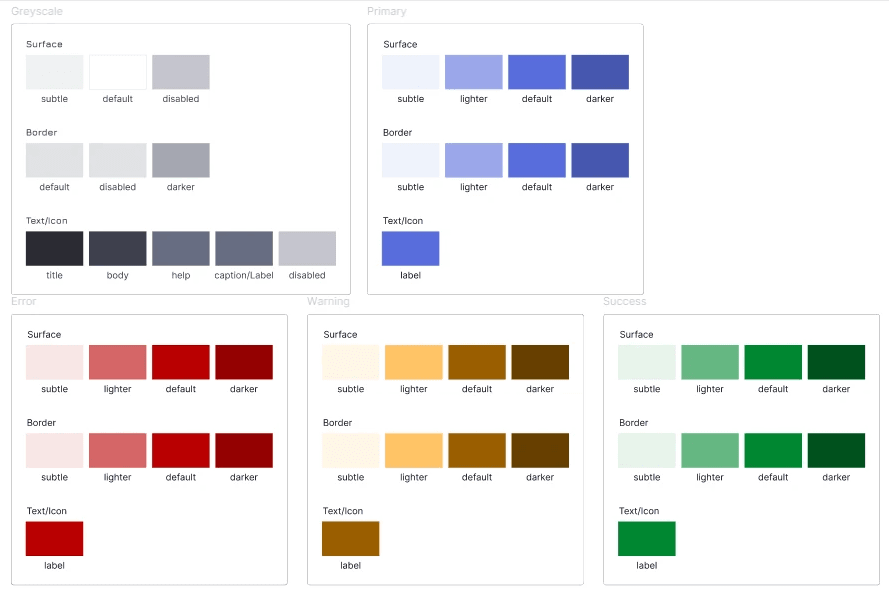
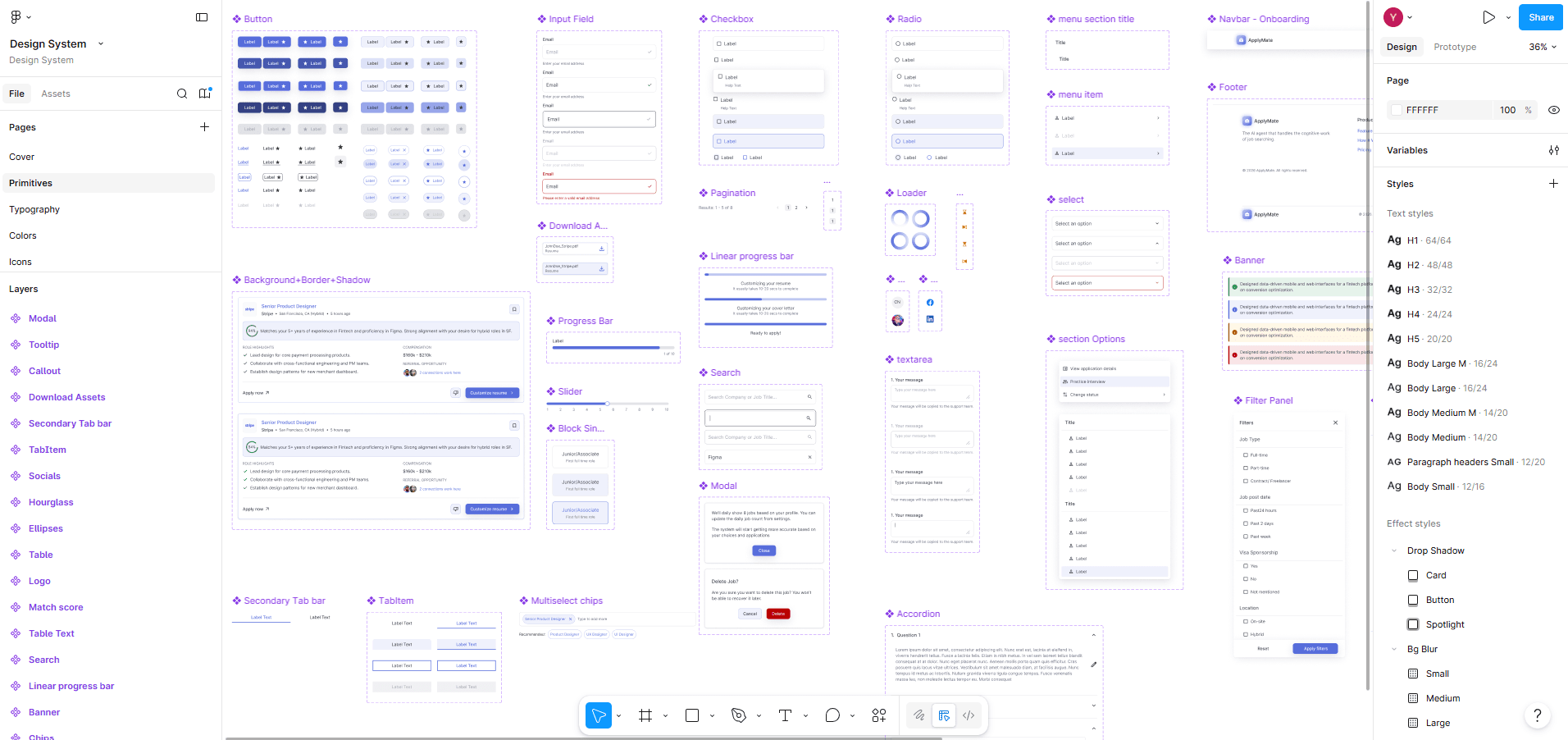
Built token architecture (colors, spacing, typography) using 8px grid system and t-shirt sizing for Tailwind translation.
Phase 2: MCP-Powered Code Generation
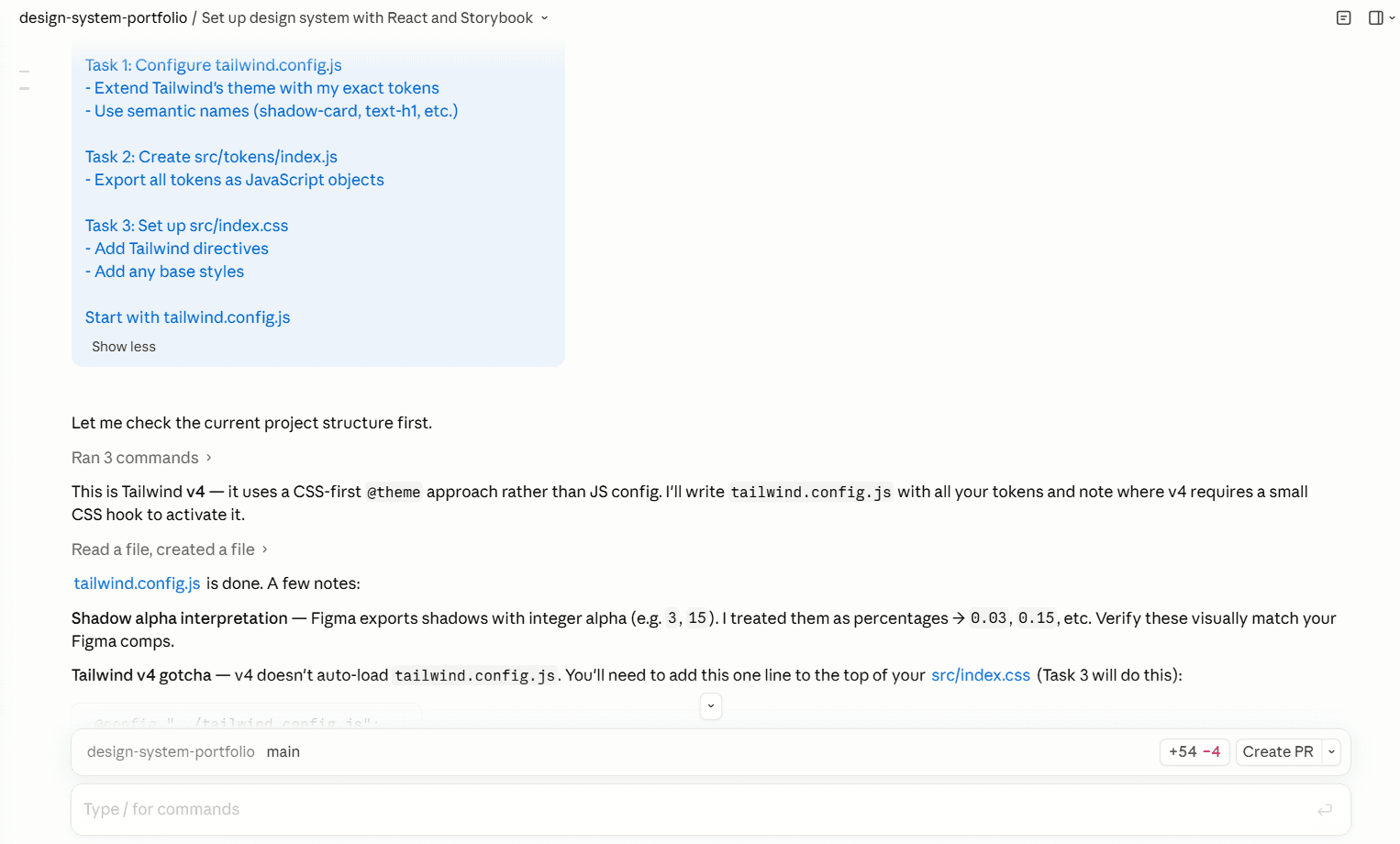
Used Figma MCP connector to pull component specs and generate React + Tailwind code. Variants become props automatically.
Phase 3: Storybook Integration
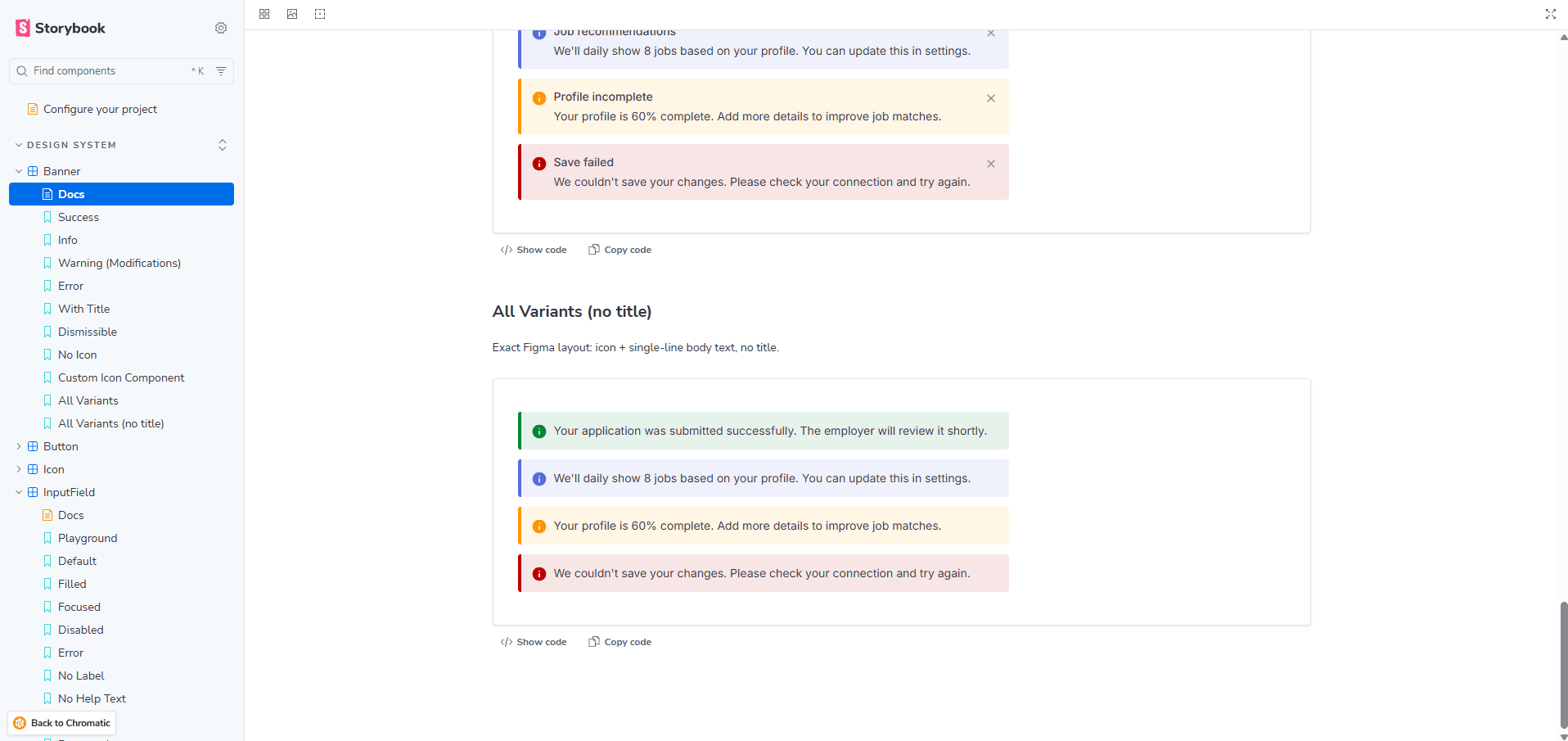
Created interactive stories for all component states. Designers and PMs can test real components without running code.
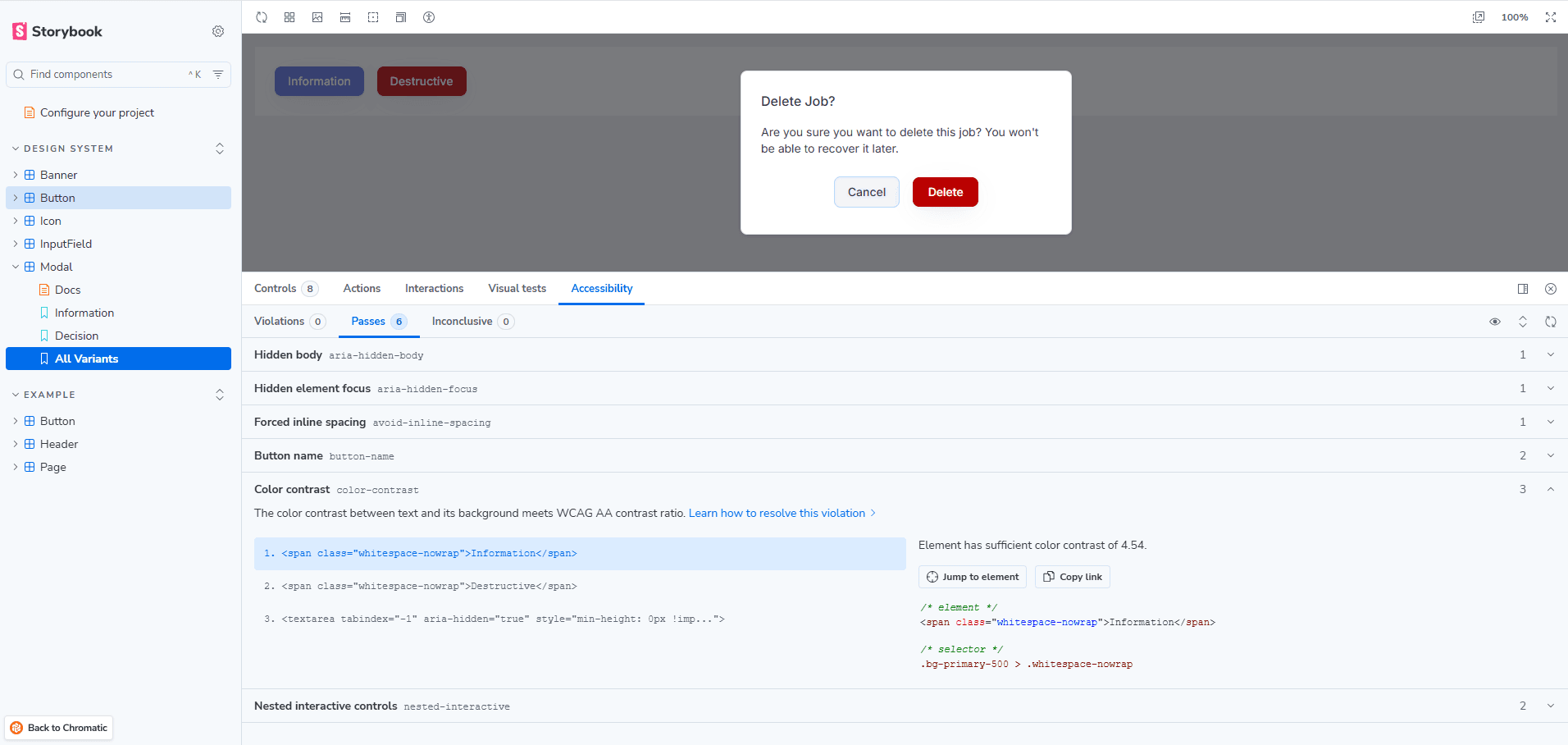
Accessibility
All components are built with WCAG 2.1 AA compliance as a baseline. Every interactive element includes proper semantic HTML, ARIA labels, and keyboard navigation support. Focus states are visually distinct and tested across variants in Storybook. Color contrast ratios meet 4.5:1 minimum for text, with interactive states maintaining accessibility when disabled or in error states. The design system enforces accessible patterns by default, developers can't ship inaccessible components because accessibility is baked into the token system and component API.
Challenges & Learnings
Challenge 1: Getting Tailwind to Work in Storybook
Problem:
Tailwind styles weren't loading in Storybook initially
Solution:
Added Tailwind import to Storybook's config file
Learning:
Small config mistakes = big headaches. Now I double-check setup docs first
Challenge 2: Keeping Tokens in Sync
Problem:
Manually updating design tokens between Figma and tailwind config file risked drift
Solution:
Used Claude Code to automate the sync instead of doing it manually
Learning:
Automation prevents human error in design systems
Reflection
This project taught me that design is shifting fast. AI tools like Claude Code and MCP aren't replacing designers; they're changing what 'designing' means. The designers who catch onto this early and learn to work with AI are the ones who'll stay relevant.